Occupational Therapy
What is Occupational Therapy (OT)
Occupational Therapy (OT) supports children, youth and adults in building the skills they need to participate as independently and confidently as possible in everyday activities. These activities may include playing, learning, getting dressed, eating, writing, social participation, managing routines, and engaging successfully at home, school, and in the community.
Services focus on understanding each individuals strengths, needs, environments, and meaningful daily routines. Through assessment, observation, caregiver collaboration, and individualized goal planning, Occupational Therapists help identify what may be impacting an individual’s participation and develop practical strategies to support success.
How can OT support
Occupational Therapy may support children, youth and adults with a variety of developmental and functional skill areas, including:
-
- Fine motor skills, such as grasp, hand strength, scissor skills, printing, and other hand-use activities
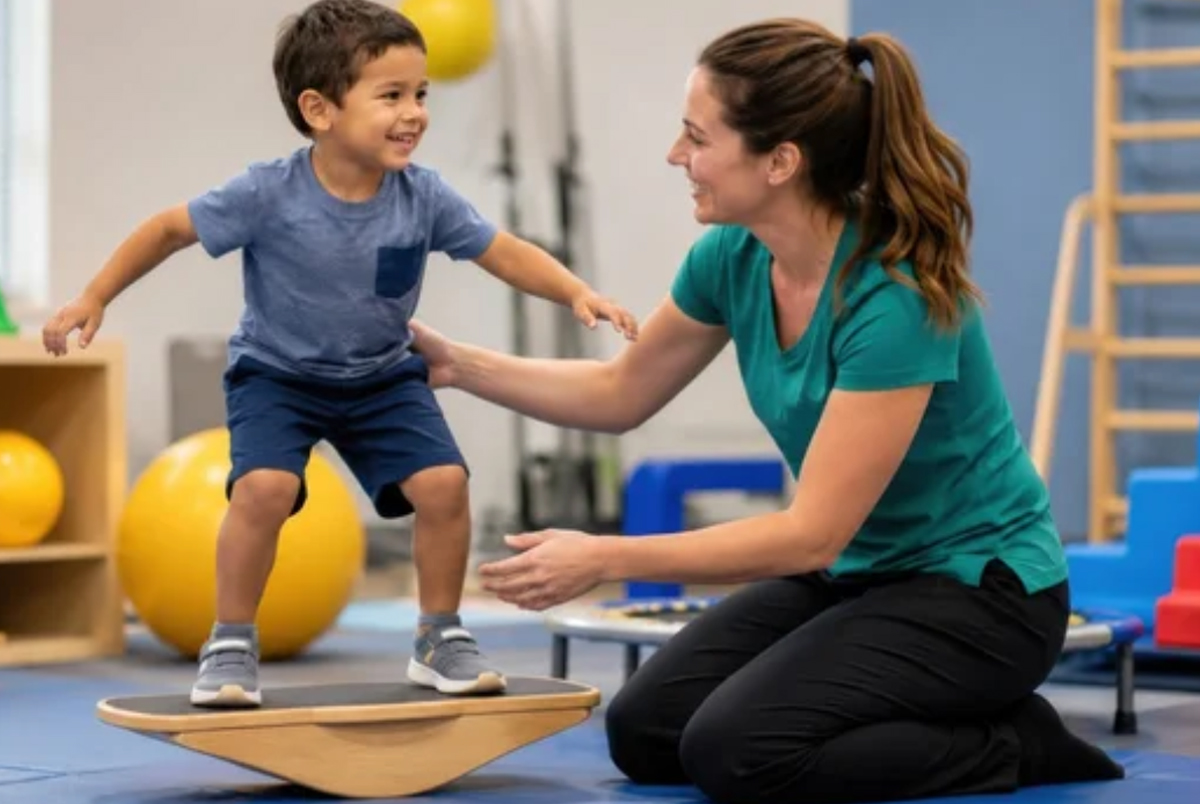
- Gross motor foundations, including balance, coordination, core strength, and motor planning
- Sensory processing and self-regulation, including support with transitions, attention, calming strategies, and participation in daily routines
- Self-care skills, such as dressing, toileting, feeding, hygiene, and building independence with daily tasks
- Feeding and oral-motor related concerns, including picky eating, mealtime participation, and tolerance for new foods or textures
- Visual-motor and visual-perceptual skills needed for play, learning, reading, writing, and school readiness
- Executive functioning skills, such as organization, planning, task initiation, attention, and completing multi-step routines
- Play, social participation, and confidence in everyday activities across home, school, and community settings


What does OT service involve?
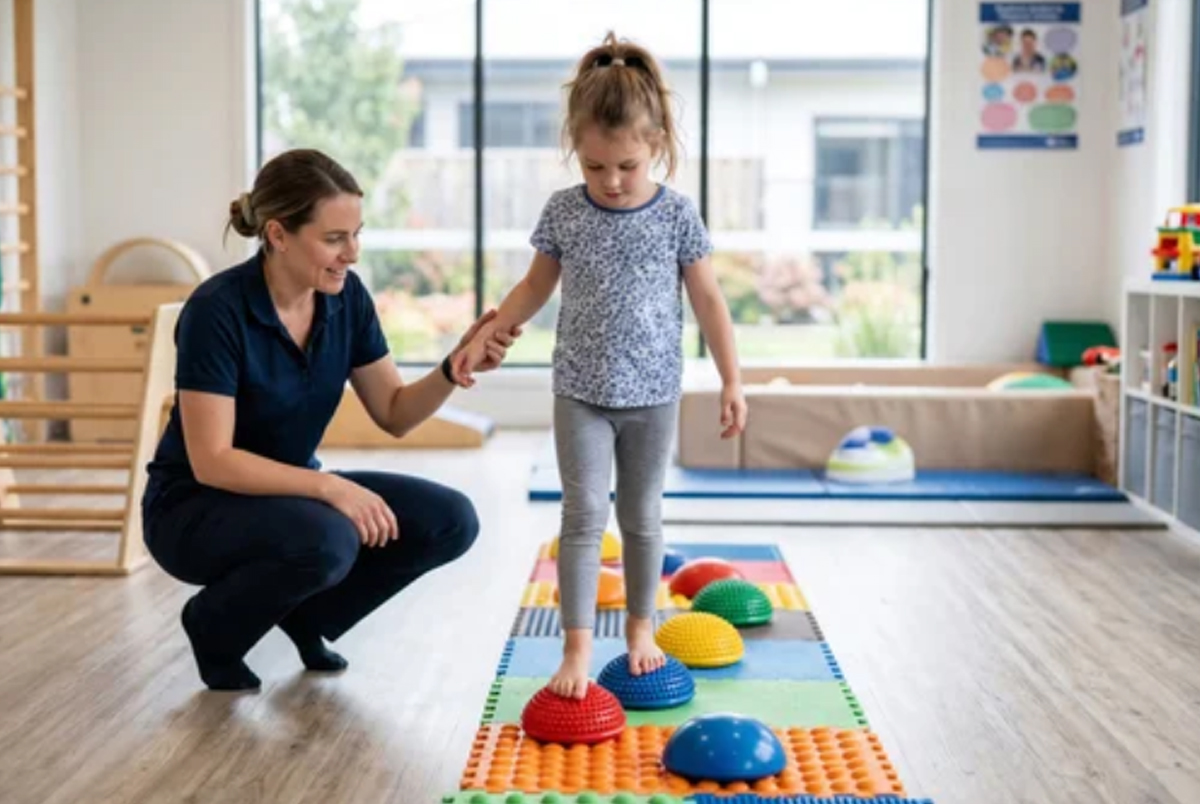
Occupational Therapy begins with a caregiver meeting and assessment to better understand the child’s strengths, challenges, and priorities. Based on the assessment findings, the Occupational Therapist will develop individualized recommendations and goals. Services may include direct therapy sessions, caregiver coaching, school or community collaboration, home programming, and strategies that can be embedded into everyday routines.